


DSCC Helps Give One Family a Safer Night’s Sleep
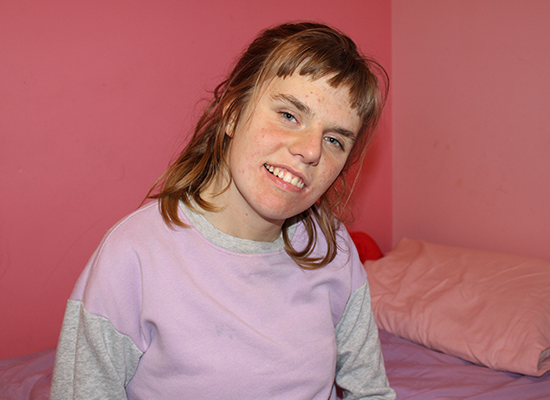
A DSCC Care Coordinator partnered with community organizations to create a custom SeizureSense alert system for a teen with complex needs and her deaf parents.
Getting the right amount of sleep each night can be difficult for anyone.
For Melissa and Tim Kearney, it can be especially hard. Keeping their daughter, Makaelyn, safe is an around-the-clock job that doesn’t stop when they go to bed.
Makaelyn is a happy, curious teenager with autism who is non-verbal. Her diagnoses also include cerebral palsy, muscle and bone deformities and a history of seizures. Monitoring her seizures and catching them early is essential.
This monitoring proved challenging for Melissa and Tim, both of whom are deaf and hard of hearing. Melissa also has cerebral palsy, which makes getting out of bed quickly more challenging.
The University of Illinois Chicago’s Division of Specialized Care for Children (DSCC) is an important partner in helping the Kearney family navigate Makaelyn’s challenges. DSCC Care Coordinator Court Prather worked alongside Tim and Melissa for months to help them find an alert system that would meet their needs.
The hard work paid off, and Court connected the family with two organizations that could brainstorm a solution and provide funds for a custom alert system.
Thanks to Medlaunch UIUC and the Danny Did Foundation, Tim and Melissa can now rest easier knowing they have a safe and effective “SeizureSense” alert system.
“I can’t stop thinking about Makaelyn getting up and wandering or having a seizure. I’m up and down all night, checking to be sure she’s okay.” Tim explained. “Having an alarm that lets me know she’s up or having a seizure is a life-changer. Who knows? I might end up with a whole new personality thanks to getting a peaceful night’s sleep.”
Over a year in the making
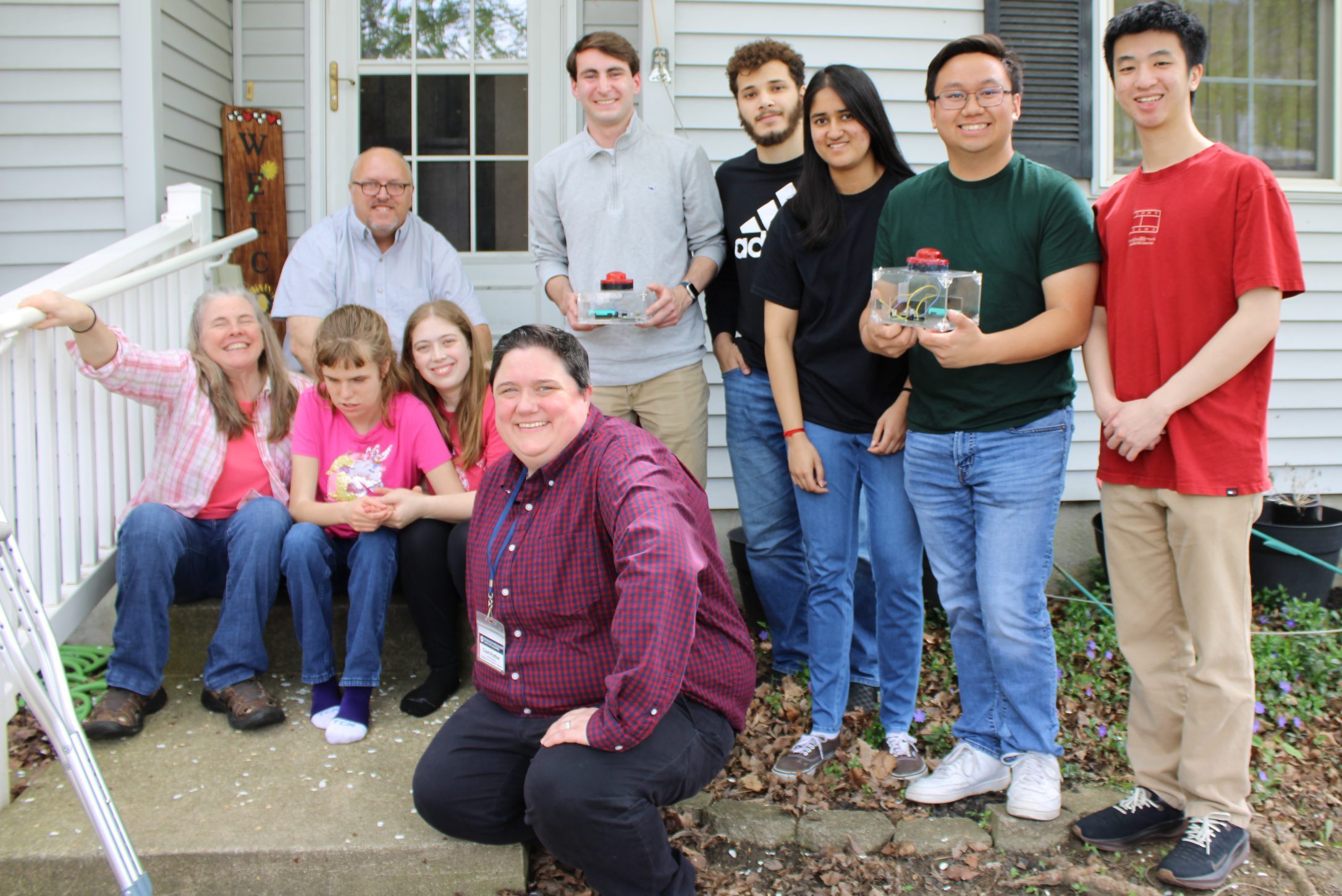
The journey to develop the “SeizureSense” alert system for the Kearneys was long and filled with roadblocks.
“This alert system project has been over a year in the making,” Court explained. “We looked everywhere for an existing monitor system to catch Makaelyn’s seizures at night. We found an app that could be installed on a phone and would vibrate, but the vibration level was just not enough. The other systems we found in the U.S. all had an audible alert.”
Court wasn’t giving up.
“There was no straight path or easy answer for this challenge,” Court explained. “I spent a lot of time doing research, making calls and trying to get all the pieces and people to connect throughout the process.”
Everything changed when Court discovered the Danny Did Foundation and sent a project application to MedLaunch UIUC.
The Danny Did Foundation focuses on raising awareness about epilepsy, preventing Sudden Unexpected Death in Epilepsy (SUDEP), and helping families with seizure detection and prediction devices that may help to prevent seizure-related deaths.
MedLaunch UIUC is a student-led organization at the University of Illinois Urbana-Champaign. Students from a variety of majors and perspectives work with individuals with disabilities to design, build, and deliver devices that improve their independence and quality of life. MedLaunch accepts project applications each fall. Five or six teams review submissions. Each team chooses a project to tackle during the school year.
“The Danny Did Foundation was incredibly helpful,” Court said, noting the foundation awarded the family a grant and paid for the alert monitor.
“It was exciting to have MedLaunch take on our project and get to work tailoring the device to the Kearney family’s needs,” Court added.
The pieces started coming together to make an alert system for the family possible. “At each step, Court helped coordinate interpreters, project meetings, approvals and other details to keep the process moving forward.”
A passion for accessibility and creating person-centered solutions
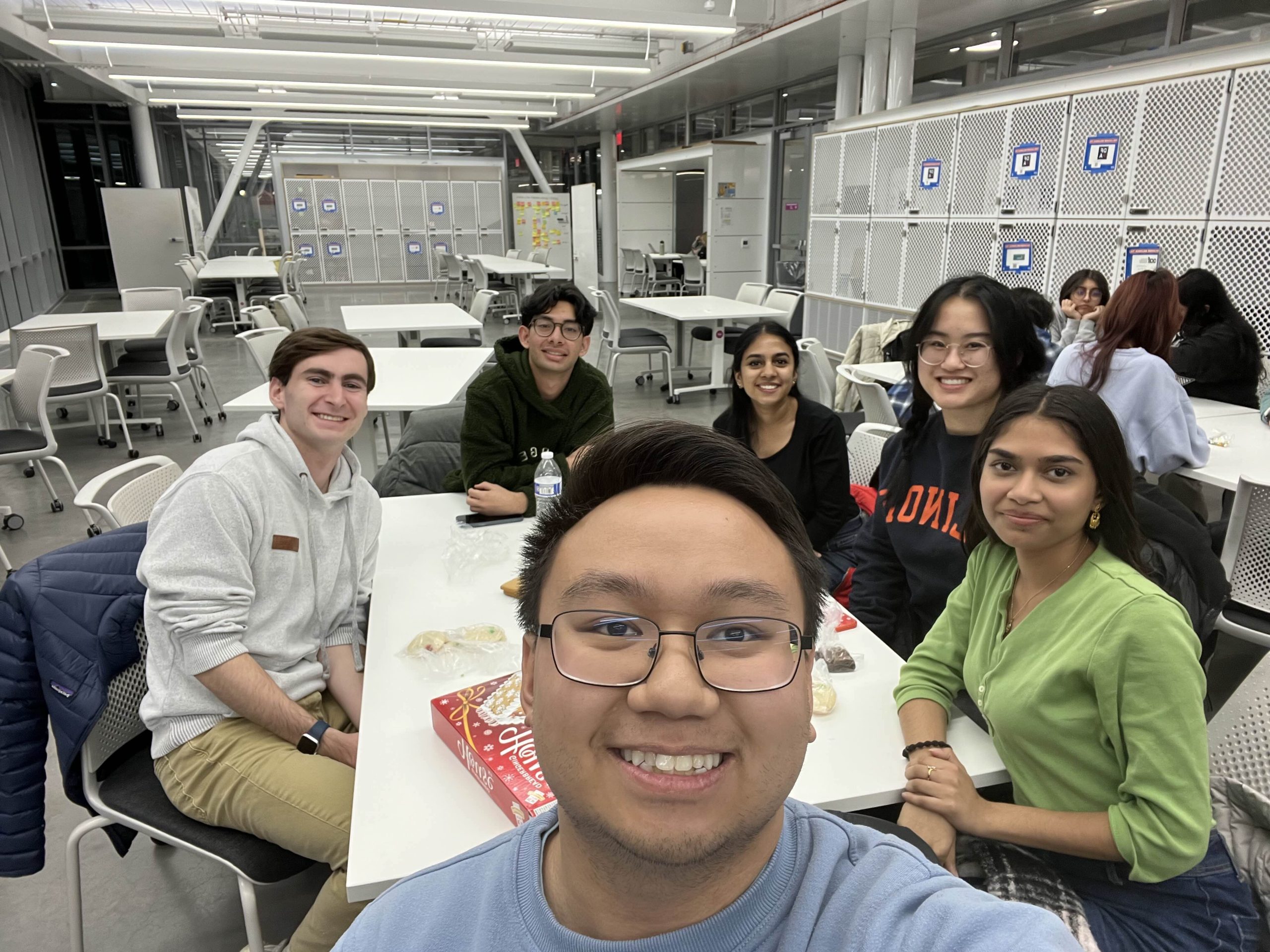
MedLaunch Team members come from diverse backgrounds, including computer science, engineering, communications and more. Their love for tackling tough challenges and unique situations unites them.
“I’m studying engineering but hope to go to medical school,” said team lead Ryan Sullivan. “Our design process focuses on developing a product to fit a person’s specific needs. We get to brainstorm together, create products, and be very hands-on in helping people and making an impact. It’s very fulfilling.”
Tackling specific issues and unique situations inspires members to return to the club year after year. SeizureSense team members each had two or more years of experience with the club.
Court, Melissa and Tim, and their American Sign Language (ASL) interpreter, Teresa Fulling, were impressed with the Medlaunch team’s attention to detail and passion for accessibility.
“Everyone asked a lot of good questions that helped us narrow down and focus on what we needed,” Melissa explained. “We travel sometimes, but I didn’t think about making the alert system portable. Our (MedLaunch) team did! Keeping that in mind made a big difference in helping us figure out the best way to move forward.”
Throughout the process, the SeizureSense Team provided updates, asked questions and navigated various challenges.
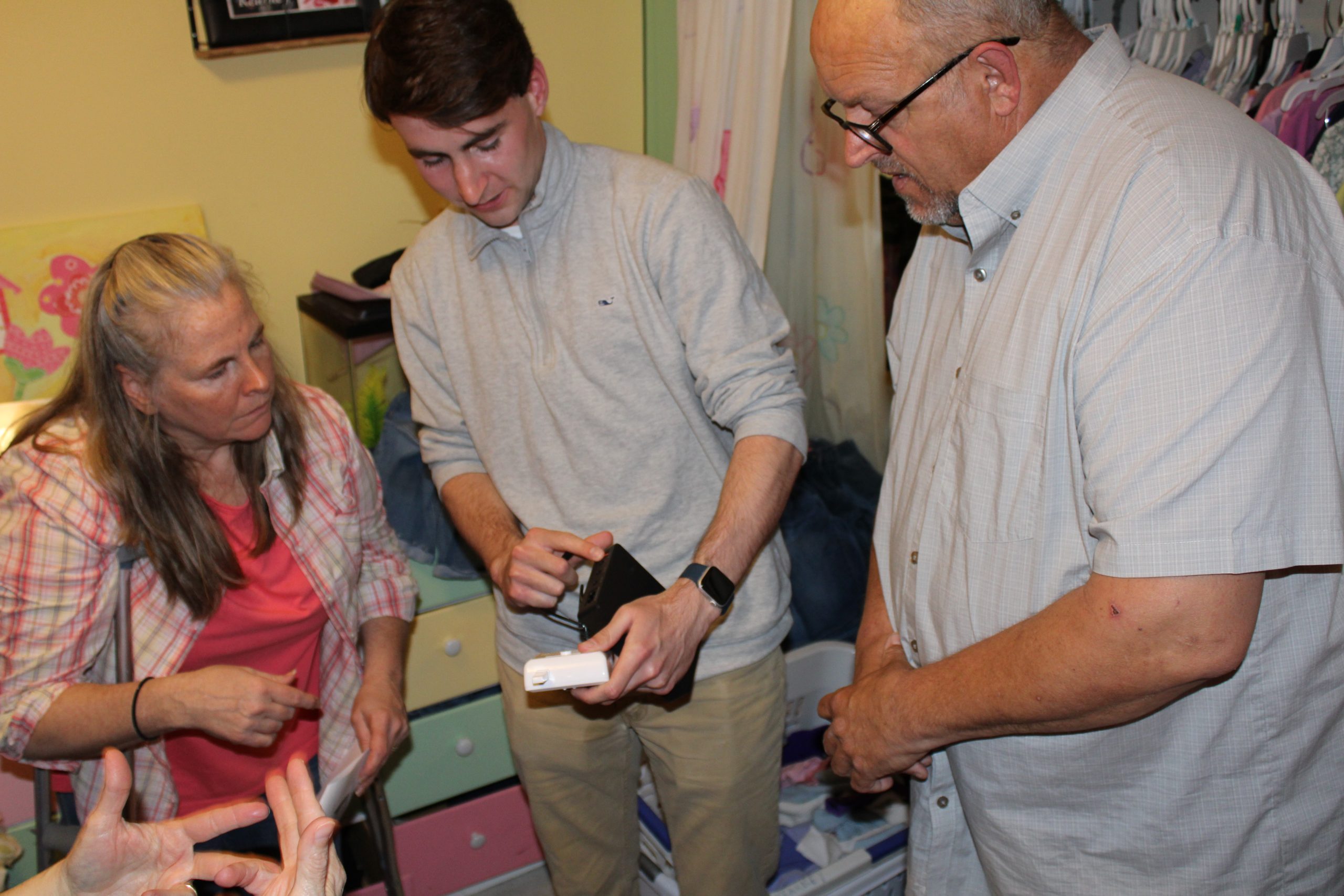
installation day
The family and team felt a strong sense of anticipation and excitement as the SeizureSense installation crew arrived.
After a warm welcome, Ryan Sullivan, Matthew Tan, Hussein Thahab, Kriti Mathur, and Eric Vo unveiled the specialized SeizureSense system to the Kearney family. The system includes:
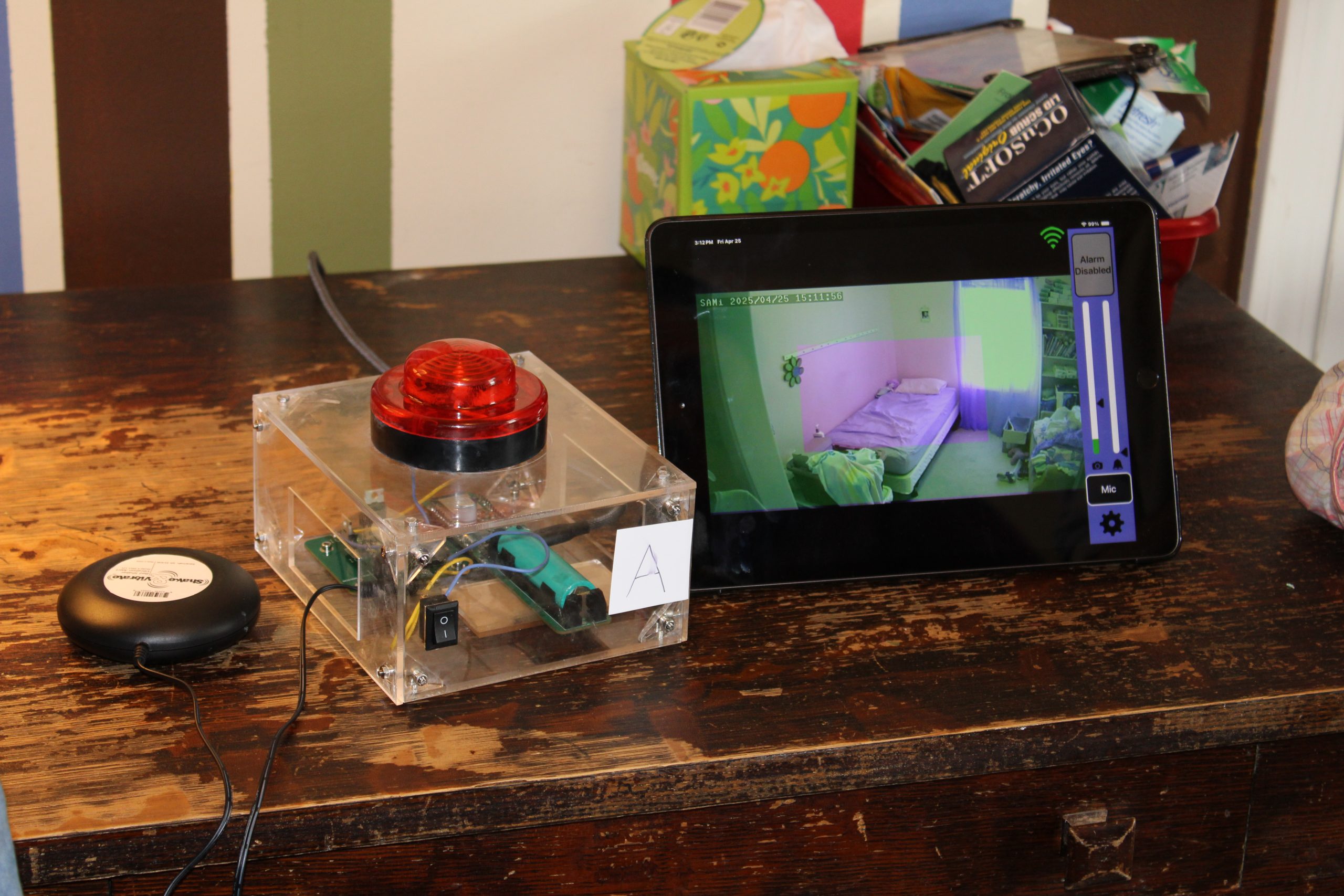
- An alert light and vibration component
- A monitor in Makaelyn’s room that communicates with alert devices in both parents’ bedrooms (they sleep in different rooms due to their medical conditions)
- A backup battery in case of a power outage
The first stop was Makaelyn’s room, where team members set up the camera and adjusted the system settings.
Next, the team set up alert system components in Melissa’s and Tim’s bedrooms. Each small, clear acrylic box contains a light and a vibration mechanism to wake the parents if the system detects motion in Makaelyn’s room. Melissa’s device also connects to her computer so that she can see the camera video anytime.
Tim and Melissa eagerly watched every step. Throughout the setup process, ASL interpreter Teresa interpreted the Kearney’s questions so that team members could provide answers about how each part works and connects to other parts of the system. Court took many photos to document each step for the Kearneys.
Once SeizureSense was in place, the team carefully tested the system. It worked perfectly.
The last test required Tim and Melissa to demonstrate that they could take the system apart, put it back together and adjust the settings as needed.
A huge burden lifted
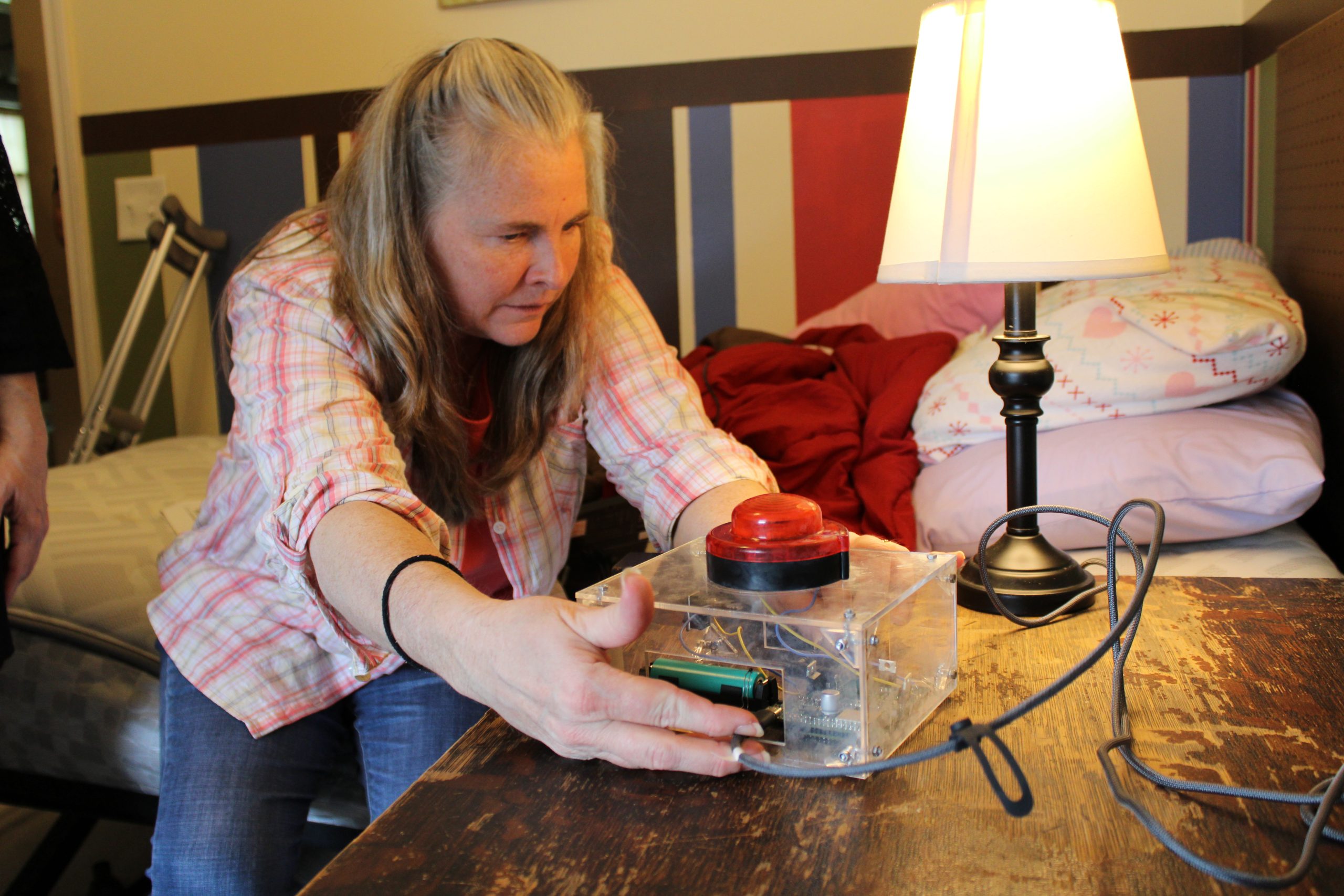
Melissa says the SeizureSense system is “a huge burden off my shoulders, and I can now sleep more peacefully knowing that we have a ‘night watch’ for our daughter.”
Over the last few months, Court and the MedLaunch team have provided invaluable support to make sure the SeizureSense system continues to work well for the Kearneys.
“The U of I team was truly passionate about solutions and what works best for us parents and what works out for (Makaelyn’s) care needs. They were willing to come back and continue problem-solving so that all different areas were thoroughly taken care of for long-term use at home,” Melissa said.
“I’m impressed with their time, willingness and thorough thinking in many different areas… They don’t give up until the project is totally accomplished!”
The Kearneys also praised Court’s dedication to finding a solution and showing a true understanding of their family’s needs.
“I want to give Court a huge thank you… for Court to connect a variety of different organizations or companies to collaborate or make this work is remarkable,” Melissa said
“Court really helps us to tackle so many barriers, such as making sure K (Makaelyn) has the seizure med support she needs, seizure alert devices, trying helping us with K’s dental barriers and helping (me) with phone calls for services and much more,” Melissa added. “It’s nice having a ‘village’ to support K’s needs in various areas.”
Thank you, Court, for never giving up on the Kearney family’s needs and developing strong partnerships to achieve their goals!